 Mahtisonni
The Machine: rethinking established design
As enduro grew, I saw an opportunity to combine the best of downhill and trail bikes into a more capable enduro bike. The Machine brought this thinking together with a new manufacturing method. In 2017, we introduced a machined and bonded aluminium frame with no weld seams.
The market was changing
Pole’s customers were riders. I listened to their experiences and opinions and followed the rise of enduro. I saw decades of small changes in the industry, with room for much larger functional improvements.
Recognising a market match meant connecting those signals with my own product idea. Looking at downhill and trail bike characteristics, I sought a combination that would work better for enduro. Pole’s differences had to benefit the rider.
Geometry beyond categories
I questioned established geometry and combined the best of downhill and trail bikes. The same thinking also changed trail bike geometry. We made long-travel trail bikes that blurred the boundaries between downhill, enduro and trail.
Pole was built on questioning the status quo. We developed products that were different enough to stand apart, with a clear functional benefit for the customer.
7075 aluminium led to machining and bonding
We wanted to use the strength of 7075 aluminium to make a metal frame a credible alternative to carbon fibre composite. The susceptibility of thin-walled composite structures to fracture was an important concern for us when pursuing low weight at the limits of the material.
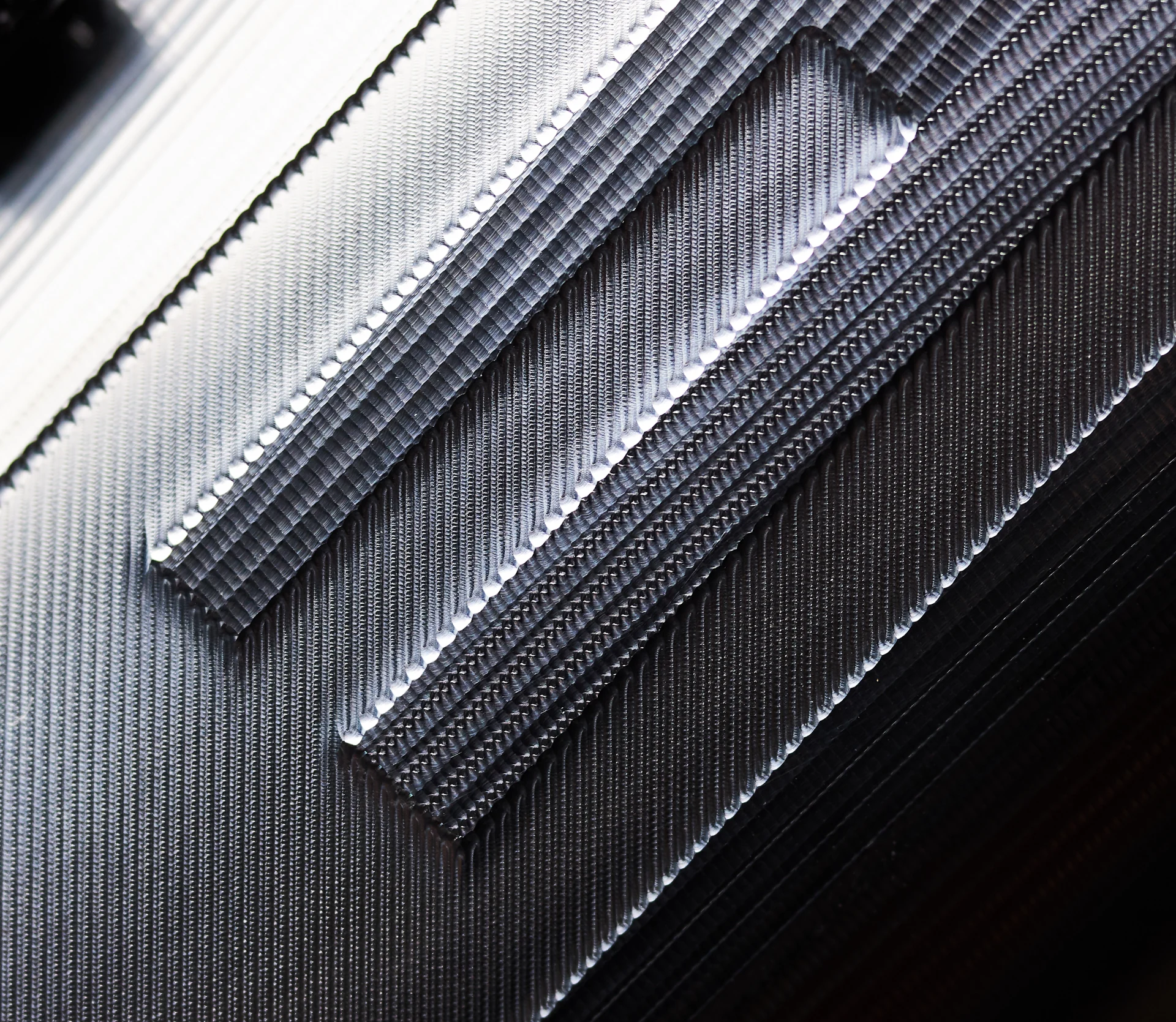
The material choice led us to develop a machining and bonding method. It made new forms possible in a metal frame. I designed the bike and built a factory around the method so the complete frame could be manufactured in Jyväskylä.
From The Machine to today’s Hiisi
The hollow front and rear frame sections are CNC-machined from solid aluminum billets, joined by structural bonding and mechanical reinforcement, e-coated on our own line and assembled into a complete bicycle in Jyväskylä. Structural bonding leaves no heat-affected zone in the frame.
The new Pole refines our inventions and turns production into an art. The method that began with The Machine has developed into the current Hiisi. Machining one Hiisi frame takes about 24 hours. Around 100 kg of aluminum becomes a 3,934 g finished frame, the pivot locations are machined to ±0.05 mm and the bonding process has seven stages. E-coat from our own line seals the internal cavities against corrosion.
The method is patented
Leo Kokkonen is the named inventor on two active United States patents covering the manufacturing method and frame structure.
- US 12,485,507 B2: Method of manufacturing tubular hollow profile vehicle frame parts. The patent covers machining the inner shapes of hollow frame parts, bonding the halves and machining the outer shape. It is assigned to Mahtisonni Oy.
- US 11,554,831 B2: Arrangement for a bicycle frame and method of manufacture. The patent covers the rear frame arrangement, manufacture and assembly. It is assigned to Pole Bicycle Company Oy.
The factory was built around the method
I built the machining, bonding process, measurement, quality control, surface treatment line and assembly around the method. The same project extended from frame geometry and kinematics to the factory, product and brand.
Frame details